
Silver Price Chart in NZD Per gram (Live & Historical Data)
View the gold price and silver price in New Zealand with live and historical charts in NZD per ounce, NZD per gram, and USD. Compare today’s spot price with past trends to understand movement and make more informed buy or sell decisions.

No items found.
Live Price FAQs
Find clear answers on how live gold and silver pricing works, and what drives global spot prices. Understand price movements, compare rates, and make informed decisions in New Zealand.
Understand Spot Price
What does “spot price” mean for gold/silver?
The gold spot price is the live market rate for one troy ounce of gold at a given instant. It moves with global trading, major news, interest rates, currency shifts, and investor sentiment. Dealers use spot as the reference point to set buy and sell prices for bars and coins, and it can update continuously while markets are active.
The retail price % above spot keeps changing, what's happening?
While the baseline price of gold and silver is largely determined by the Intercontinental Commodities Exchange (the spot price), the final price you see also depends heavily on physical availability and pressures on the supply chain.
Given the recent spike in metals trading and high demand across the industry, wholesale refineries—such as the Perth Mint and Royal Canadian Mint—are experiencing an increase in the cost to secure raw materials for refining and producing coins and bars.
As refineries and the global logistics sector struggle to keep up with demand, the wholesale costs to acquire these physical products have increased across the board, independent of the daily spot price. This naturally creates more volatility in the final pricing.
While we update our prices every minute and secure the best available rates on the market from a range of USA, London and Australian suppliers, our prices will always move with real cost of securing product for the New Zealand market.
At Christchurch Gold, we always strive to offer the best value possible. If you have seen a better price elsewhere, please let us know—we are always happy to match or beating it! (note: At our discretion it may not be available in all situations)
What unit is the gold price shown in?
Most live charts display gold per troy ounce in US dollars (USD). Many platforms also offer alternative views such as per kilogram or per gram.
“Spot” vs other prices—what’s the difference?
“Spot” refers to the price available right now, in the current moment. It’s not a guaranteed rate for later, and it can change quickly—even within seconds.
Where does the spot price come from?
Gold is traded worldwide across major markets, and the spot rate reflects this combined global activity. Futures trading is a key driver, with COMEX (part of CME Group) often used as a widely referenced benchmark. Pricing typically follows the most actively traded near-term futures contract, or the next most liquid contract if volume is low.
Bid and Ask: what do they mean in practice?
The bid is what buyers are willing to pay right now. The ask is what sellers want to receive right now. In New Zealand, retail selling prices commonly align more closely with the ask, while buy-back offers generally track the bid minus a margin that depends on product type, purity, and volume. The gap between them is the spread, and a smaller spread usually indicates a more liquid market.
Why retail prices aren’t the same as spot
Spot is the metal’s base value only. It doesn’t include fabrication, minting, freight, insurance, secure handling, verification, or operating costs. Bullion products are typically sold at a premium above spot, and dealers add a margin to cover costs and risk. When buying from the public, rates are often below spot to allow for testing, refining, and market movement.
Is spot always quoted in USD?
Yes—global spot prices are primarily published in USD. Local pricing is then converted into the buyer’s currency, so NZD rates can rise or fall with exchange rate movements as well as the underlying metal price.
Is gold priced the same worldwide?
The core global gold spot price is effectively uniform across markets, which helps prevent easy “buy here, sell there” arbitrage based purely on location. However, the final price you pay locally can vary due to FX conversion, availability, premiums, and dealer margins.
Why do charts show NZD pricing as well?
Because global gold is priced in USD, converting into NZD provides a more practical view for New Zealand buyers and sellers. Our charts display local-currency pricing so you can compare live rates with historical movement in NZD.
Price Changes
Why does the gold/silver price move so much—what drives it?
Gold is a globally traded commodity, so its price is constantly being “discovered” by buyers and sellers in real time. Over a day or week you’ll often see noticeable swings, especially during high volatility. The main drivers include supply and demand, inflation expectations, interest rates, currency movements, investor positioning, and major geopolitical or economic events.
The retail price % above spot keeps changing, what's happening?
While the baseline price of gold and silver is largely determined by the Intercontinental Commodities Exchange (the spot price), the final price you see also depends heavily on physical availability and pressures on the supply chain.
Given the recent spike in metals trading and high demand across the industry, wholesale refineries—such as the Perth Mint and Royal Canadian Mint—are experiencing an increase in the cost to secure raw materials for refining and producing coins and bars.
As refineries and the global logistics sector struggle to keep up with demand, the wholesale costs to acquire these physical products have increased across the board, independent of the daily spot price. This naturally creates more volatility in the final pricing.
While we update our prices every minute and secure the best available rates on the market from a range of USA, London and Australian suppliers, our prices will always move with real cost of securing product for the New Zealand market.
At Christchurch Gold, we always strive to offer the best value possible. If you have seen a better price elsewhere, please let us know—we are always happy to match or beating it! (note: At our discretion it may not be available in all situations)
Is buying gold considered high risk?
Generally, gold is viewed as a more defensive asset rather than a high-risk one. Many investors use it as a “safe haven” because it can hold value during periods of uncertainty. That said, any investment can rise or fall—make decisions based on your own goals, time horizon, and risk tolerance. Please refer to our Terms & Conditions of trade for further details.
How can gold trade almost 24/7?
Gold markets operate across multiple time zones, with trading activity moving from one global hub to the next. Refineries, mints, banks, traders, and bullion distributors are spread worldwide, which supports near-continuous buying and selling and helps keep the market liquid.
How frequently do gold/silver prices update?
Live gold prices can refresh every few seconds while markets are open, reflecting ongoing trading and news. For New Zealand buyers and sellers, the NZD/USD exchange rate can also materially influence local pricing, so it’s worth watching alongside the metal price.
Does gold always rise when shares fall?
Gold often behaves differently to equities, particularly when investors seek safety during market stress. However, it isn’t a rule—there are periods when gold and share markets can move in the same direction. No one can reliably predict short-term moves, so be cautious of anyone claiming certainty about future gold or silver prices.
Is the gold/silver price “rigged” or controlled?
Claims of constant manipulation are often overstated. Gold is traded on large, regulated markets with extensive participation and oversight, which supports transparent price formation. Like any market, isolated misconduct can occur, but that doesn’t mean the overall gold market is inherently illegitimate.
Technical
What does a coin’s “face value” actually mean?
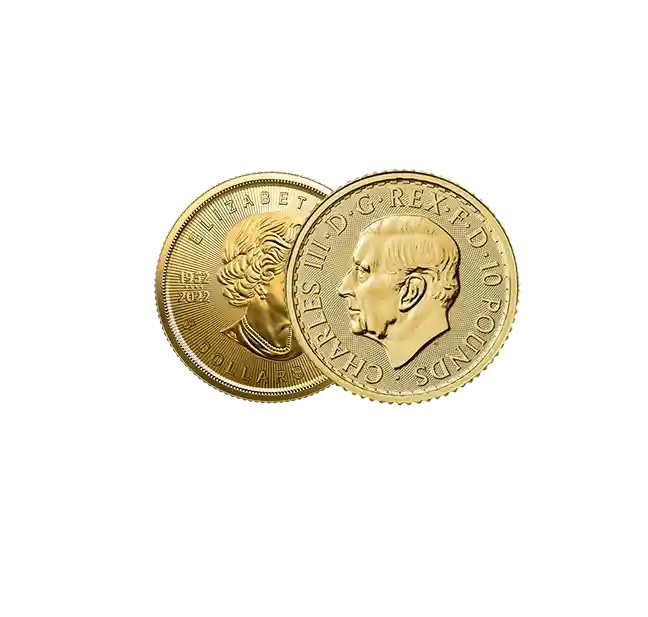
A coin’s face value is its official legal tender amount in the country that issued it. In theory, you could spend it like cash, but bullion coins are almost never used that way—people buy and hold them for the metal content, recognisability, and potential resale value, not the printed denomination.
What is the gold-to-silver ratio?
The gold/silver ratio compares the price of gold to the price of silver. Investors often track its historical range to judge whether gold or silver looks relatively expensive or cheap compared with the other.
How many grams are in one troy ounce?
Precious metals are commonly measured in troy ounces. 1 troy ounce = 31.103 grams.
How many troy ounces are in 1 kilogram?
1 kilogram = 32.151 troy ounces.
Where can I purchase physical gold?
You can buy physical gold through a reputable bullion dealer. If you’d like help choosing bars or coins and understanding pricing, contact our team and we’ll talk you through the options.
What forms does gold bullion come in?
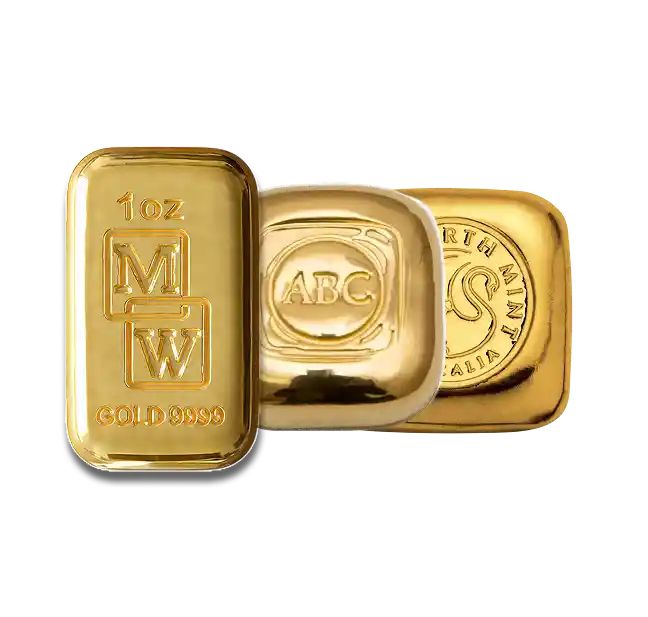
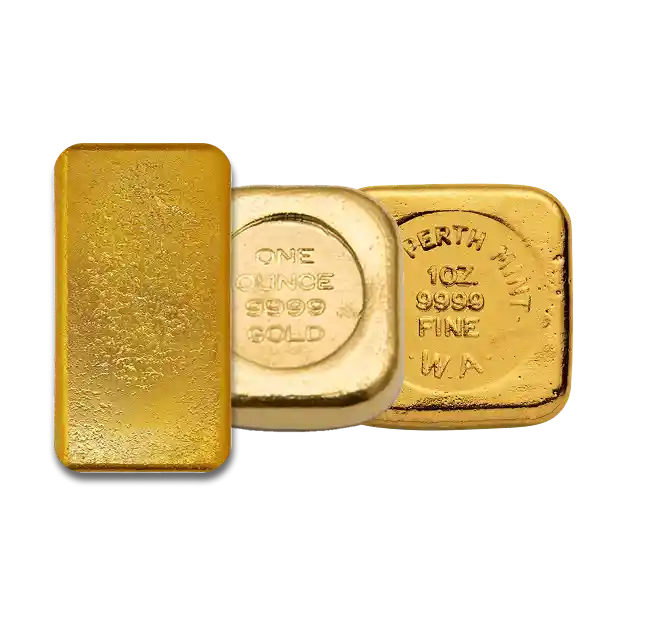
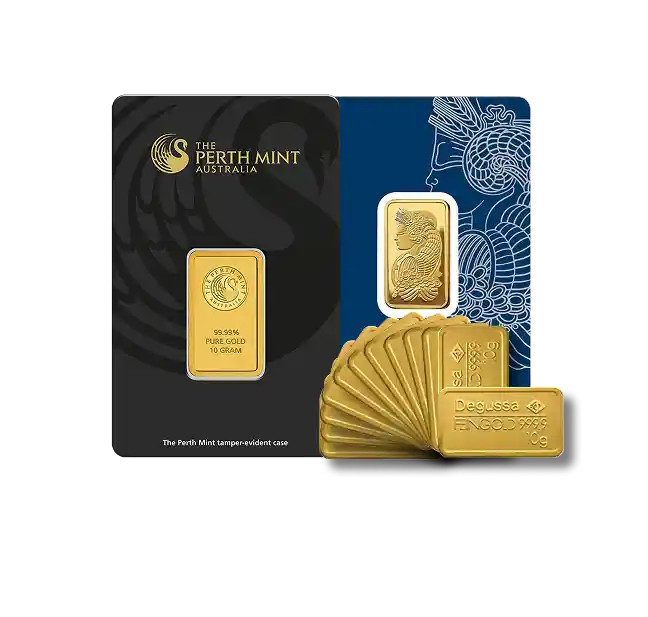
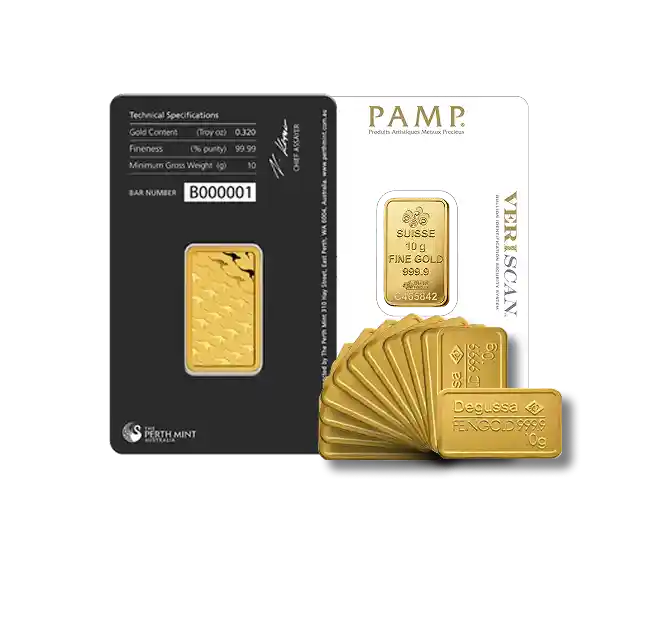
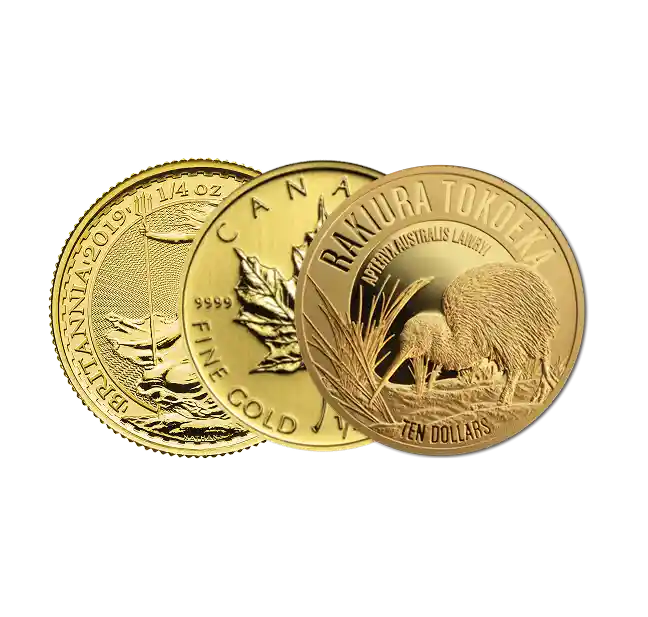
Gold bullion is typically sold as bars, rounds, and coins. Coins and many minted bars are issued by recognised mints and may carry a face value, while rounds are privately minted and generally have no legal tender status.
What’s the best way to store gold and silver?
Storage depends on what you buy and how often you need access. Common options include a quality home safe, a secure lockbox, or professional vault storage—prioritising security, insurance, and ease of access.
Overseas, GST & Local
Is it smarter to buy from a New Zealand gold dealer?
Buying locally can reduce risk and simplify the process compared with ordering from overseas. While offshore dealers may advertise lower premiums, you also need to consider shipping, insurance, delivery delays, and what recourse you have if something goes wrong. With a NZ dealer you can deal face-to-face, complete your own due diligence, take direct delivery, and you may also benefit from New Zealand consumer protections under the Consumer Guarantees Act (CGA) and Fair Trading Act (FTA). Local dealers with lean overheads can also remain competitively priced without the costs of traditional retail storefronts.
Do gold dealers use a fixed markup over spot?
Some dealers advertise set premiums on certain products, but pricing is rarely identical across the market. Premiums can vary based on availability, quantity, product type, manufacturer, condition, and market demand. Dealers ultimately set their own pricing, and the same item can be priced differently depending on stock levels and supplier costs.
If I’m new, should I focus on specific products or maximum ounces?
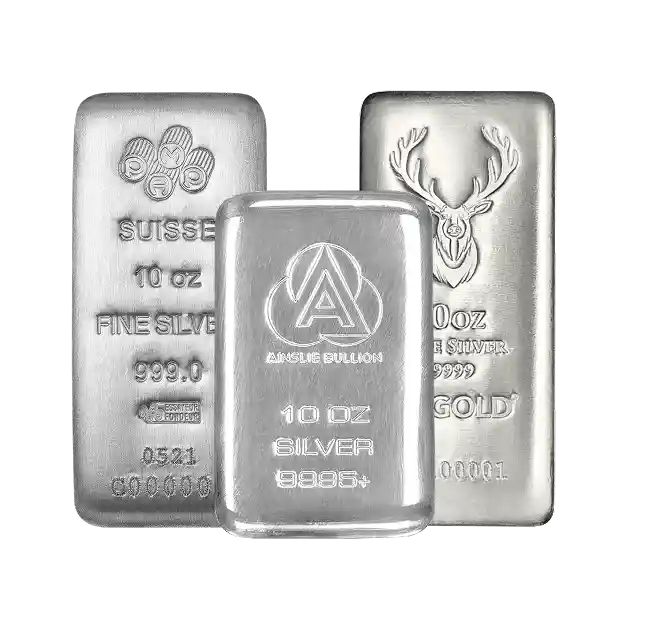
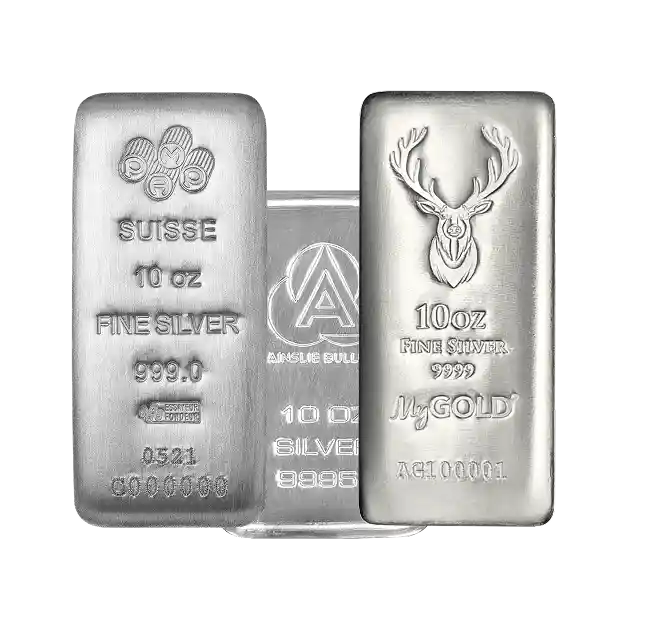
If your goal is to own more metal for your dollar, bullion bars and common bullion coins are typically the most straightforward options. Bars are often the lowest-premium way to buy because they’re simpler to manufacture and not priced for collectability, whereas some coins can carry higher premiums due to design, limited mintages, or demand.
Why do bullion prices sit above the spot price?
Spot reflects the raw metal value, not the costs of producing and distributing a retail product. Bullion pricing usually includes fabrication, shipping, secure handling, verification, and dealer operating costs. On top of that, certain items may attract additional premiums for scarcity, collectability, or strong demand.
1 kilogram = 32.151 troy ounces.
How do I secure a price when the market moves constantly?
Dealers use different methods to lock pricing, but most require payment within a defined time window. Because both the metal price and NZD/USD exchange rate can move quickly, lock periods are often short—sometimes only a few minutes—after which the price may need to be re-quoted at the current market rate.
Do I pay GST on physical gold in New Zealand?
In New Zealand, investment-grade fine gold and pure silver bullion are generally treated as zero-rated for GST when supplied by a registered dealer, meaning GST is not added at checkout. Always confirm the GST treatment for your specific product and invoice, as rules can differ for jewellery, numismatic/collectible items, and non-investment-grade products.
.png)

.png)
.webp)
.webp)
.png)
.png)
.webp)




.webp)


.png)


%2520(1).webp)
%2520(1).webp)
Why Choose Christchurch Gold
.svg)
Certified Purity & Authenticity
Our bullion products are sourced from reputable mints and refineries and come with recognised purity and authenticity standards — so you can invest with confidence.
Convenient & Secure Collection
Collect in person from our Christchurch location by arrangement, with a discreet and secure process.
Global Supply, Local Service
We work with established suppliers across Europe and the United States, helping ensure consistent access to in-demand products and reliable sourcing.
Expert Guidance You Can Trust
Whether you’re just starting out or building a larger portfolio, our knowledgeable team will help you choose the right products and understand your options.
Proudly New Zealand-Owned
Christchurch Gold is a family-owned New Zealand business, committed to serving Kiwi investors with integrity, care, and long-term support.
Confidentiality & Discretion
Your privacy matters. Our processes are designed to keep your transactions professional, secure, and confidential.
Competitive, Market-Linked Pricing
We offer sharp pricing based on live market conditions — leveraging strong supplier relationships to deliver excellent value.
Customer Trust and Service Delivery
.png)